UK Bingo Premises Adapt Operations Amid Rising Machine Revenue Dominance
Sofia Franke · Oct 5, 2026

UK Bingo Premises Adapt Operations Amid Rising Machine Revenue Dominance
UK bingo premises continue to adjust their business models as gaming machines deliver substantially higher returns than traditional bingo games, with the latest data covering the year to March 2026 revealing machines produced £461.7 million in gross gambling yield while bingo itself generated £242.1 million, and observers note this pattern reflects premises functioning increasingly like adult gaming centres rather than classic bingo halls alone.
Those tracking industry statistics point out that the combined total reached £703.8 million, which places machine revenue at nearly two-thirds of the overall figure, and this distribution highlights a structural change underway across licensed bingo premises throughout the United Kingdom.
Revenue Breakdown Shows Clear Machine Lead
Figures released for the period ending March 2026 demonstrate gaming machines accounted for almost twice the yield of standard bingo play, and analysts examining these numbers observe that such a gap has widened steadily over recent years as operators install more terminals and update machine offerings to match player preferences in many locations.
Traditional bingo sessions still draw crowds on specific evenings, yet the data indicates machines now represent the primary income stream for numerous venues, while premises owners respond by allocating greater floor space to electronic gaming options that operate continuously rather than during scheduled sessions only.
Government Consultations Address Licensing Questions
Officials have opened consultations focused on licensing frameworks that currently govern bingo premises, and these discussions examine whether existing rules adequately cover operations where machines form the dominant activity rather than live bingo calls, with stakeholders submitting responses that address how definitions might evolve to reflect current revenue patterns.
Regulatory bodies continue to review premises licences that permit both bingo and machine gaming, whereas industry participants highlight the need for clarity on operating hours, machine numbers per site, and advertising guidelines that distinguish bingo venues from dedicated adult gaming centres in high streets and retail parks across the country.
Traditional Club Numbers Continue to Decline
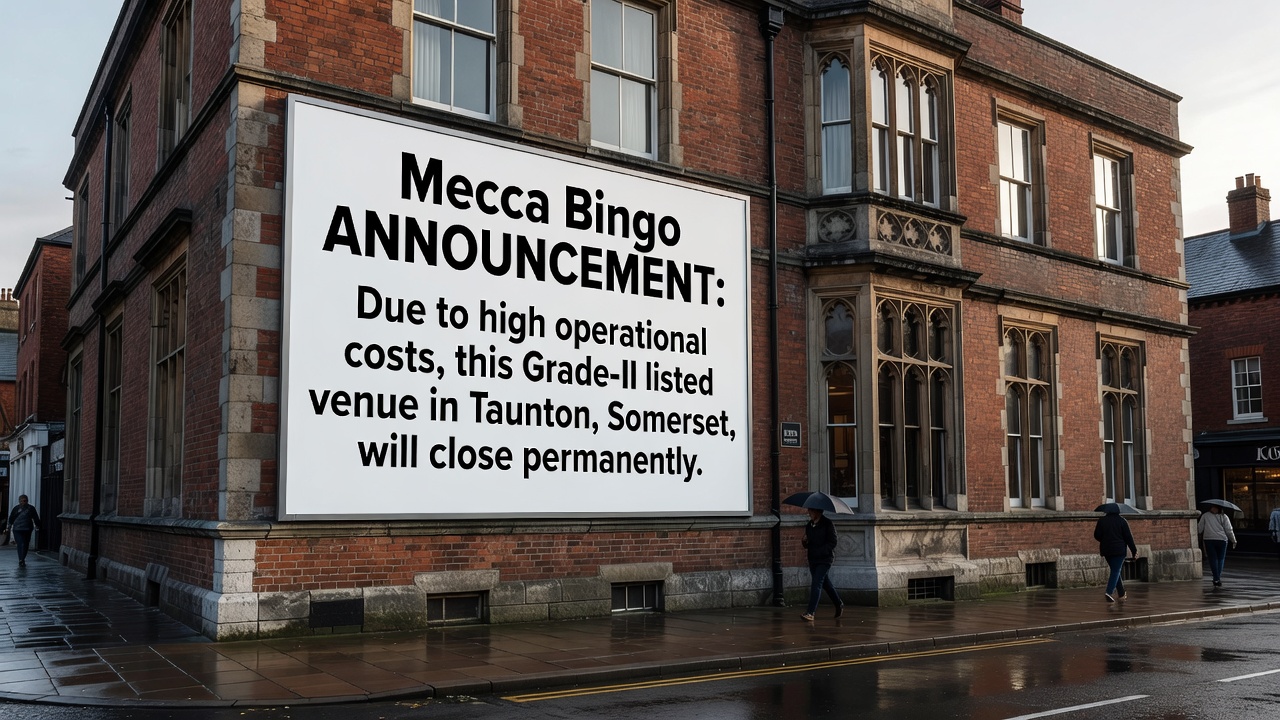
Records show the total count of dedicated bingo clubs has fallen over successive years, and this reduction coincides with operators converting some sites into hybrid venues or closing locations where footfall no longer supports full bingo programming, while remaining premises adapt by expanding machine banks to maintain viability.
Local planning authorities receive applications that propose repurposing former bingo halls for mixed-use developments, and these cases illustrate the broader contraction in traditional club footprints as machine-led revenue models take precedence in surviving operations.
Operational Shifts Reshape Venue Identity
Premises managers report reconfiguring layouts so that machine areas receive prime positioning near entrances, and this arrangement allows continuous play that generates steady returns independent of bingo session schedules, while staff training increasingly covers machine maintenance alongside traditional caller duties.
Players who once attended primarily for the social aspect of bingo now encounter venues where electronic terminals occupy the majority of available space, and this physical change mirrors the revenue statistics that place machines at the centre of financial performance for the sector as a whole.
Industry Data Sources Track Ongoing Trends
Latest Gambling Commission figures (year to March 2026) provide the most recent snapshot of these developments, and industry publications continue to monitor how licensing consultations may influence future premises standards as operators navigate the balance between bingo heritage and machine-driven economics.
Venues that maintain both offerings must still meet conditions attached to their licences, yet the data shows machine contributions now dwarf bingo yields in aggregate terms, prompting further examination of how regulatory definitions align with actual trading patterns observed on the ground.
Conclusion
The year-to-March 2026 statistics establish that gaming machines have become the leading revenue component within UK bingo premises, and government consultations on licensing continue to address questions raised by this shift while the number of traditional clubs keeps falling, creating a landscape where venues increasingly resemble adult gaming centres in both layout and financial structure.