The Evolution of Bingo Equipment and Its Influence on Worldwide Variant Development
Sofia Franke · Nov 2, 2026
The Evolution of Bingo Equipment and Its Influence on Worldwide Variant Development
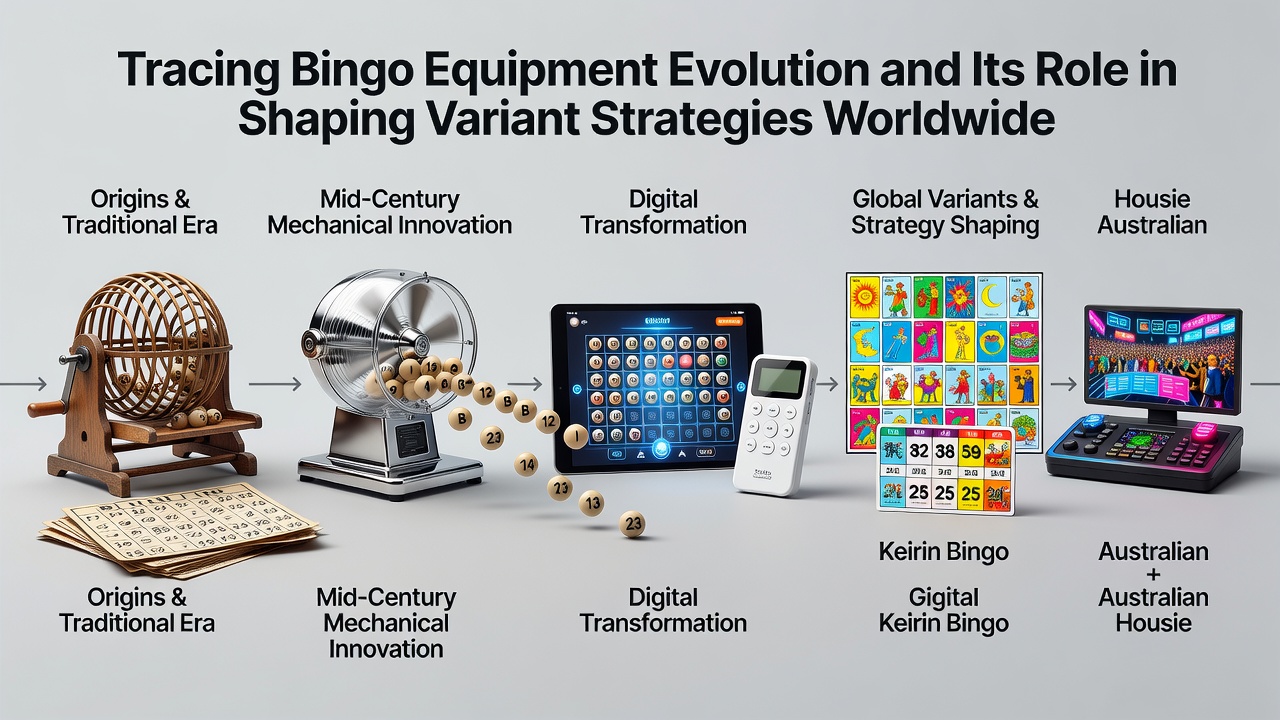
Tracing the path of bingo equipment starts with simple wooden balls drawn from cloth sacks and paper cards marked by hand in community halls during the early twentieth century, yet the shift toward mechanical cages and numbered chips occurred steadily as demand grew in North America and Europe. Observers note that these initial tools limited game speed while encouraging fixed patterns like straight lines or full cards, and data from regional gaming records shows participation clustered around seasonal events rather than daily play.
Early Tools and Regional Adaptations
Traditional setups relied on physical components such as rubber stamps for daubing and pre-printed tickets sold in bundles, and researchers have documented how these materials shaped early variants in Latin America where 90-ball formats emerged to accommodate larger crowds in open-air venues. Equipment constraints meant slower draws, which in turn influenced strategy by rewarding patience over rapid pattern completion, while in parts of Asia similar tools supported shorter sessions tied to festival calendars.
But here's the thing: when plastic balls replaced wood in the 1950s, draw consistency improved and operators could host multiple rounds per hour without equipment wear, and figures from industry archives reveal this change coincided with the spread of 75-ball bingo in the United States where columns aligned with lettered headings allowed more complex winning combinations.
Electronic Systems and Expanded Reach
Electronic random number generators entered bingo halls during the 1970s and 1980s, replacing manual draws with automated displays that projected numbers on screens visible to hundreds of players simultaneously. Those who've studied adoption patterns point out that this hardware upgrade supported the creation of linked games across multiple sites, and one study revealed that connectivity fostered progressive jackpots which altered risk strategies by encouraging players to track multiple cards at once.
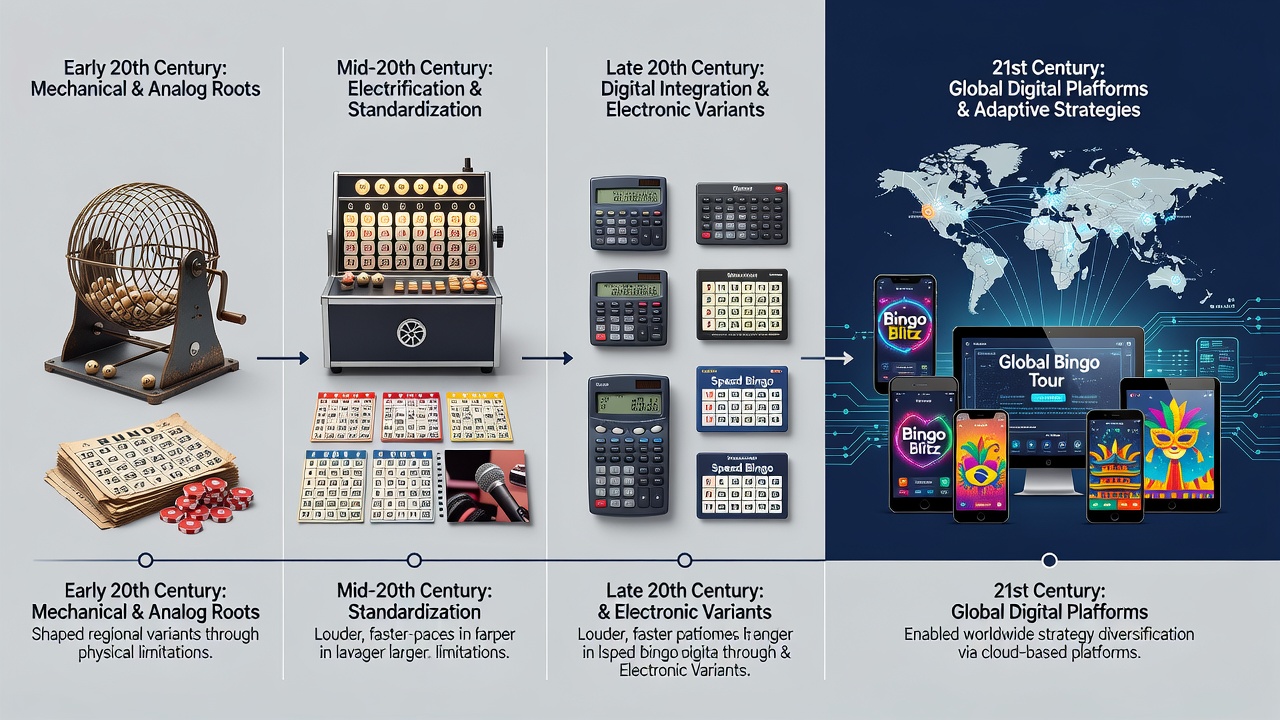
What's interesting is how portable electronic daubers reduced physical strain and sped up verification, and data indicates these devices helped standardize play across borders because operators could load region-specific rule sets onto the same hardware. In Australia, for instance, regulatory updates from the Victorian Commission for Gambling and Liquor Regulation documented increased use of such terminals in licensed venues by the late 1990s, which supported hybrid formats blending traditional ball calls with instant digital marking.
Digital Platforms and Global Strategy Shifts
Online bingo platforms expanded equipment possibilities further when software replaced physical hardware altogether, allowing algorithms to generate variants like speed bingo or pattern-specific challenges that adjust dynamically based on player volume. Research from the University of Nevada's gaming studies program shows that server-based systems enabled real-time data collection on win rates, which operators used to refine prize structures and session lengths across different markets. And yet the transition also preserved core mechanics because players still sought familiar patterns even when interfaces changed to touch-screen or mobile formats.
By November 2026 several international operators plan coordinated equipment upgrades that integrate augmented reality overlays with existing digital networks, and analysts expect these enhancements to influence strategy by adding visual layers that highlight potential winning lines without altering underlying probabilities. Equipment standardization through shared platforms has already encouraged cross-border tournament play where rules adapt to local regulations but rely on uniform draw integrity.
Equipment Choices and Variant Diversification
Portable wireless units now dominate temporary events and cruise-ship operations, while fixed kiosk arrays serve high-volume urban halls, and each choice directs which variants gain traction because hardware limits or expands simultaneous card tracking. Experts have observed that regions favoring lightweight mobile devices tend to develop shorter, high-frequency games suited to quick sessions, whereas venues investing in large networked displays promote longer progressive formats that build community engagement over multiple rounds.
Turns out that maintenance records from gaming associations highlight how durable electronic components reduced downtime and allowed continuous operation, which in turn supported the growth of 80-ball and other hybrid variants that blend elements from traditional 75-ball and 90-ball systems. Those who've examined supply chains note that manufacturers responded by producing modular systems capable of regional customization, and this flexibility helped sustain bingo's presence amid competition from other leisure activities.
Conclusion
Equipment evolution continues to guide how variants develop because physical and digital tools determine pace, scale, and accessibility in ways that local operators adapt to cultural preferences and regulatory frameworks. Observers note ongoing integration of analytics with hardware promises further refinement of game structures, yet the foundational reliance on random draws and pattern matching remains consistent across continents.