Charting How Bingo Terminology Has Shaped Probability Models in Modern Casino Game Development
Dana Becker · Sep 21, 2026
Charting How Bingo Terminology Has Shaped Probability Models in Modern Casino Game Development
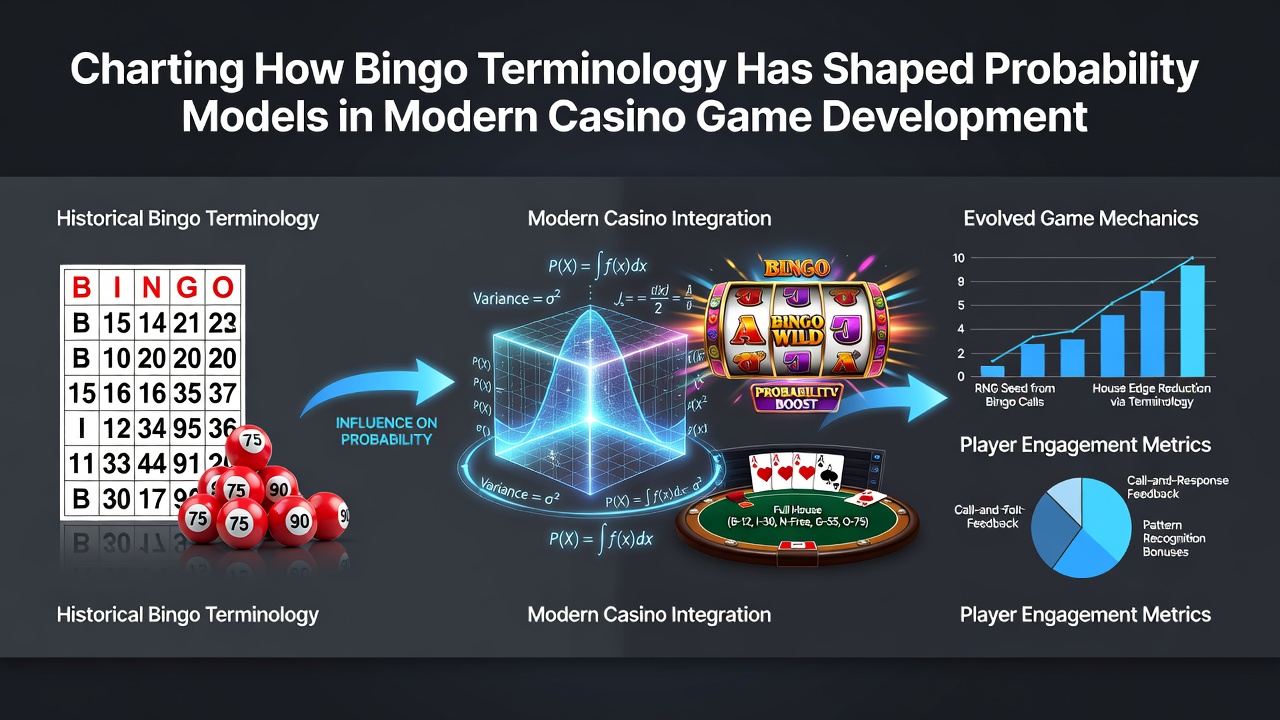
Observers note that bingo terminology has found its way into the core mechanics of probability modeling across casino game development, where terms once tied to number-calling sessions now define algorithms for random number generation and payout structures. Researchers have traced specific vocabulary such as coverall, line patterns, and daub sequences into the frameworks that govern modern slot machines, video poker variants, and hybrid table games. Data from industry reports indicate these linguistic elements shape how developers calculate hit frequencies and bonus triggers, creating systems that mirror the sequential matching process of traditional bingo halls.
Tracing Core Terms Into Algorithm Design
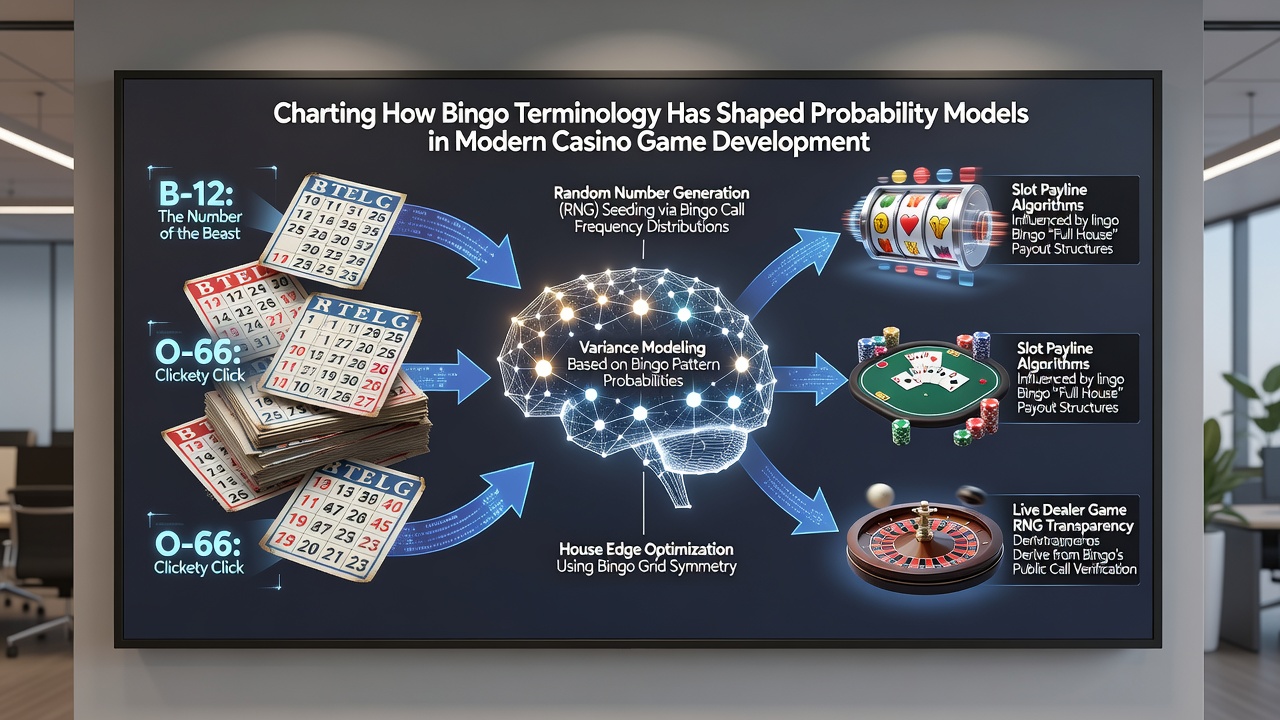
Developers incorporate bingo-derived concepts when building random outcome engines, and studies from the University of Nevada Las Vegas show that pattern-matching logic borrowed from bingo directly informs reel weighting systems in digital slots. A term like full house, for instance, translates into multi-symbol combination probabilities that determine jackpot eligibility, while single-line wins map to simpler payout tiers. This adaptation allows programmers to layer conditional triggers that activate only after specific sequences align, much as players complete rows during a live session.
Analysts at the Australian Gambling Research Centre have documented how the phrase number call influences the pacing of virtual draws in electronic bingo terminals and keno hybrids. These systems use weighted distributions that prioritize certain digits based on historical frequency data, which mirrors the verbal announcements that once structured community play. The result appears in games released through September 2026 updates, where operators adjust RNG seeds to maintain perceived fairness while embedding terminology-driven constraints on consecutive matches.
Pattern Recognition and Model Calibration
Pattern recognition sits at the center of many probability models, and experts observe that bingo vocabulary supplies the descriptive framework for defining winning configurations in casino software. Observers point to cases where coverall mechanics determine progressive jackpot thresholds, requiring players to achieve complete grid coverage within a set number of spins or draws. Such requirements force developers to calibrate volatility settings so that near-miss events occur at rates consistent with bingo session dynamics, according to figures released by the Canadian Centre for Gaming Research.
Those who study game mathematics note that terms such as free space and daub marker have migrated into user interface code, where they label interactive elements that affect probability calculations behind the scenes. In practice this means a player selecting highlighted positions alters the underlying distribution of remaining outcomes, a feature that appears in several mobile casino platforms launched in recent cycles. The integration keeps mathematical integrity intact while preserving recognizable language that guides user expectations without altering core odds.
Impact on Regulatory Testing and Compliance Standards
Regulatory bodies in multiple regions now require documentation that references original bingo terminology when certifying new probability models. Testing laboratories examine whether payout tables align with documented pattern frequencies drawn from decades of bingo hall records, ensuring that digital adaptations do not deviate from established benchmarks. Reports compiled by the Nevada Gaming Control Board detail how examiners verify that line and coverall probabilities remain within approved variance ranges before approving titles for public release.
International standards organizations have begun incorporating these same linguistic anchors into their evaluation protocols, which means developers must map every algorithmic decision back to a corresponding bingo concept during the approval process. This cross-referencing reduces ambiguity in compliance reviews and provides clear audit trails that connect modern code to historical game structures. Data collected across North American and European markets shows consistent application of these mapping techniques in titles that reached market by mid-2026.
Future Directions in Terminology-Driven Modeling
Engineers continue to explore additional bingo phrases for integration into emerging game formats, particularly those involving live dealer interfaces and blockchain-verified outcomes. Terms describing special rounds and bonus patterns now appear in design documents for titles that blend elements of multiple casino genres, allowing probability models to inherit proven structures while introducing fresh visual presentations. Research indicates this approach accelerates development cycles because teams reuse calibrated distributions rather than constructing entirely new statistical foundations.
Academic papers published through 2026 highlight ongoing work that quantifies how bingo vocabulary affects player comprehension of complex odds displays. When interfaces retain familiar phrases, users demonstrate improved accuracy when estimating win probabilities, a finding that influences interface guidelines issued by several provincial regulators in Canada. The pattern suggests that linguistic continuity will remain a deliberate design choice as casino software evolves toward greater personalization and real-time adjustment capabilities.
Conclusion
Bingo terminology supplies a durable vocabulary that casino developers apply when constructing and validating probability models, linking historical game mechanics to contemporary digital implementations. Evidence from regulatory filings, academic studies, and industry reports demonstrates consistent use of these terms across regions and game categories, with measurable effects on calibration, testing, and user interface design. As new platforms emerge, the same foundational language continues to guide how outcomes are generated and presented to players worldwide.